


What to Expect During Cabinet Refacing: Timeline, Mess Level, and How to Prepare
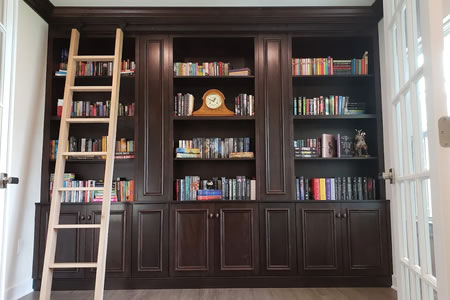
If you are planning cabinet refacing in Charlottesville, you likely want a clear picture of how long it takes, how messy it gets, and what you should do before work begins. This guide explains the cabinet refacing process step by step, sets honest expectations for kitchen downtime, and gives you a short prep checklist so you feel ready. For a deeper look at options and materials, explore our cabinet refacing services in Charlottesville to see how Cloud Cabin Arts handles projects with care and precision.
Cabinet Refacing in Charlottesville, VA: The Big Picture
Cabinet refacing updates the look of your kitchen by keeping your cabinet boxes and replacing the visible parts: doors, drawer fronts, and applied veneer or solid wood on face frames and exposed ends. Because most cutting and finishing happens in the shop, the work inside your home is focused and fast. That means a shorter disruption compared to a full remodel and much less debris leaving the house.
Charlottesville homes range from classic brick colonials in Ivy and Keswick to newer builds in the Pantops and Rio Road corridors. Many of these kitchens have solid cabinet boxes that are perfect candidates for refacing. The goal is to match the new fronts and finishes to your style while respecting your layout and existing countertops.
Refacing Timeline: What Happens and When
Every home is different, but most refacing projects in Central Virginia follow a similar rhythm. Here is a realistic, high-level schedule so you can plan around work, school runs, and dinner time.
- Design and selections: confirm door style, finish, hardware, and any storage upgrades.
- Shop work: doors, drawer fronts, and trim are built and finished off-site to reduce noise and dust at home.
- On-site work: protective coverings go down, face frames and exposed ends are refaced, and new doors, drawer fronts, and hardware are installed.
Typical on-site activity runs over a few consecutive days for most kitchens, with brief returns if touch-ups or adjustments are needed. Weather can influence scheduling here in Charlottesville. Spring pollen and summer humidity may slightly extend finish curing times indoors, while winter cold may affect door deliveries and site ventilation. Your project lead will time each phase so your kitchen is functional as quickly as possible.
How Messy Is It? Dust, Noise, and Odor
Expect moderate daytime noise from drills and drivers and short bursts of saw noise for final fits. Plastic barriers and floor protection reduce dust travel, and most cutting is performed off-site. Finishes used on doors are cured at the shop, so odor in your home stays minimal. You may notice a faint smell during touch-ups; good airflow clears it fast. Keep windows cracked when weather allows and run the kitchen exhaust if it vents outside.
Keep pets and kids away from the work zone during active hours. It speeds up the job and keeps everyone safe. Plan alternate routes to the fridge or pantry if those sit inside the taped-off area.
Kitchen Downtime: What You Can Use and When
One major benefit of refacing is the limited downtime. Countertops, sinks, and appliances usually remain installed and usable outside of the daily work window. Many families in Belmont and Fry’s Spring still cook dinner at home during the project by planning simple meals and using small appliances after the crew leaves for the day.
- Daytime access: limited; expect taped-off zones and tools in use.
- Evenings: light cooking and normal fridge use are often fine once the crew cleans up.
- Weekends: if the job spans a weekend, your kitchen is typically usable between workdays.
Plan for one to three days of light downtime where cabinets are open or hardware is off. Your project lead will confirm the sequence so you know exactly when to move items or pause certain routines.
Refacing Prep Checklist: Simple Steps Before Installation
Use this short checklist to help the crew move quickly and protect your home. No tools needed, and it should take less than an hour for most kitchens.
- Clear countertops and the sink area so protective coverings can go down.
- Empty the top drawers and any cabinets that need modification or new rollout trays.
- Remove fragile items and wall decor near the kitchen entrance and main path.
- Make a temporary coffee or snack station outside the work zone.
- Arrange a safe spot for pets; close doors or use gates during work hours.
Labeling boxes by cabinet area helps you reset the kitchen faster when the work wraps up. If parking is tight in North Downtown or near UVA, reserve space for the service vehicle so materials can be carried in safely.
The Cabinet Refacing Process, Explained
Once selections are set, your new doors and drawer fronts are custom-built in the shop. Color and sheen are matched with test samples before anything ships to your home. On day one, the crew protects floors and walkways, removes old doors and drawer fronts, and preps face frames. Exposed ends receive matching veneer or solid panels for a seamless look. New soft-close hinges and slides go in, followed by door and drawer front installation and careful alignment for even reveals.
Hardware placement is measured and drilled with jigs for consistency. Expect a final walkthrough where small tweaks are made and felt pads are added so doors close quietly. Any micro-adjustments often happen the next morning once everything settles in place.
Upgrades Worth Considering With Refacing
Refacing is a great time to make smart storage changes without a full remodel. Popular add-ons include soft-close drawer boxes, rollout trays for pots and pans, spice pull-outs, trash and recycling inserts, and wider drawers in place of double-door bases. If you want a new hutch, island, or a few added boxes to improve function, take a look at our custom cabinets for tailored pieces that blend with your refaced kitchen.
Homeowners in Crozet and Afton often pair refacing with new crown or light rail molding to finish the look. If you are keeping existing countertops, your door style and hardware finish should play nicely with your stone and backsplash. Simple shaker, slim rails, and matte black or warm brass pulls work well across many Charlottesville homes.
Local Planning Tips for Charlottesville Homeowners
Schedule around UVA move-in and graduation weekends if you live near Grounds. Traffic and visitor parking can slow material deliveries and crew access. In older neighborhoods like Belmont, mention any tight stairways or narrow hallways during the site visit so the team brings the right equipment.
Central Virginia’s seasonal swings matter. Spring pollen calls for extra door mats and quick vacuuming as materials move in and out. During summer, keep doors closed while the crew is sanding or fastening to limit humidity spikes inside. In winter, the crew may space out brief ventilation breaks so your home stays comfortable while odors clear.
How Clean-Up and Final Walkthrough Work
At the end of each day, expect swept floors, trash removal, and tools stored neatly. The crew will review progress, confirm the next day’s plan, and flag any items they need you to clear. On wrap-up, they will dust surfaces around the work area and wipe new doors and drawer fronts so you can reload cabinets with confidence.
Ask for care instructions for your chosen finish. Gentle cleaners and soft cloths are best. Avoid harsh chemicals and over-wetting the wood. If you notice a hinge settling or a door that needs a tiny adjustment, call the office; a quick tune-up keeps everything perfect.
When Is Refacing the Right Choice?
Refacing is a strong fit when cabinet boxes are sturdy, your layout works, and you want a fresh style without a tear-out. Many Charlottesville homes have hardwood or plywood boxes that deserve a second life with new faces. If you plan to change appliance sizes or move walls, a larger remodel may be needed. Your project lead will explain the pros and cons based on your goals and timeline.
To see style options, finishes, and a deeper explanation of our approach, visit our page on cabinet refacing for Charlottesville homeowners and compare door profiles that fit your space.
Getting Started: Simple Next Steps
Here is a quick way to move forward with confidence. Browse a few inspiration photos, jot down what you like about your current kitchen, and list anything that slows you down during daily cooking. Share that with Cloud Cabin Arts during your consultation so the design reflects your routine. If you want a feel for our broader capabilities, you can also explore our site from the perspective of cabinet refacing in Charlottesville, VA to see how handcrafted work ties your whole home together.
Confirm door style and hardware early so ordering stays on schedule. If you work from home, plan calls away from the kitchen during install hours, and set a simple meal plan for the week. Small details like these take the stress out of renovation days.
Ready for a Smooth, Low-Stress Transformation?
If you are picturing your kitchen with clean lines and quiet-close drawers, you are ready to talk with Cloud Cabin Arts. Call us at 434-218-3020 to discuss your goals, or review options on our cabinet refacing page for Charlottesville before we meet. We will confirm a clear timeline, explain how we protect your home, and help you prepare so install day feels easy.
One last tip: put everyday items like coffee mugs, cereal, and pet food in a tote so your mornings stay simple while the crew works. A little planning goes a long way.